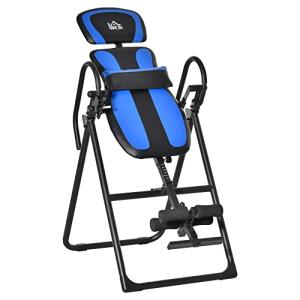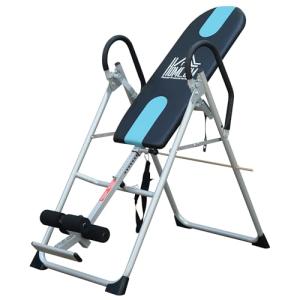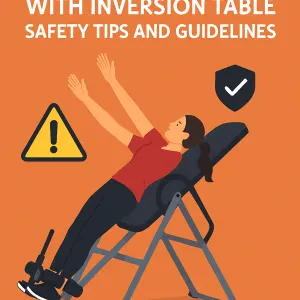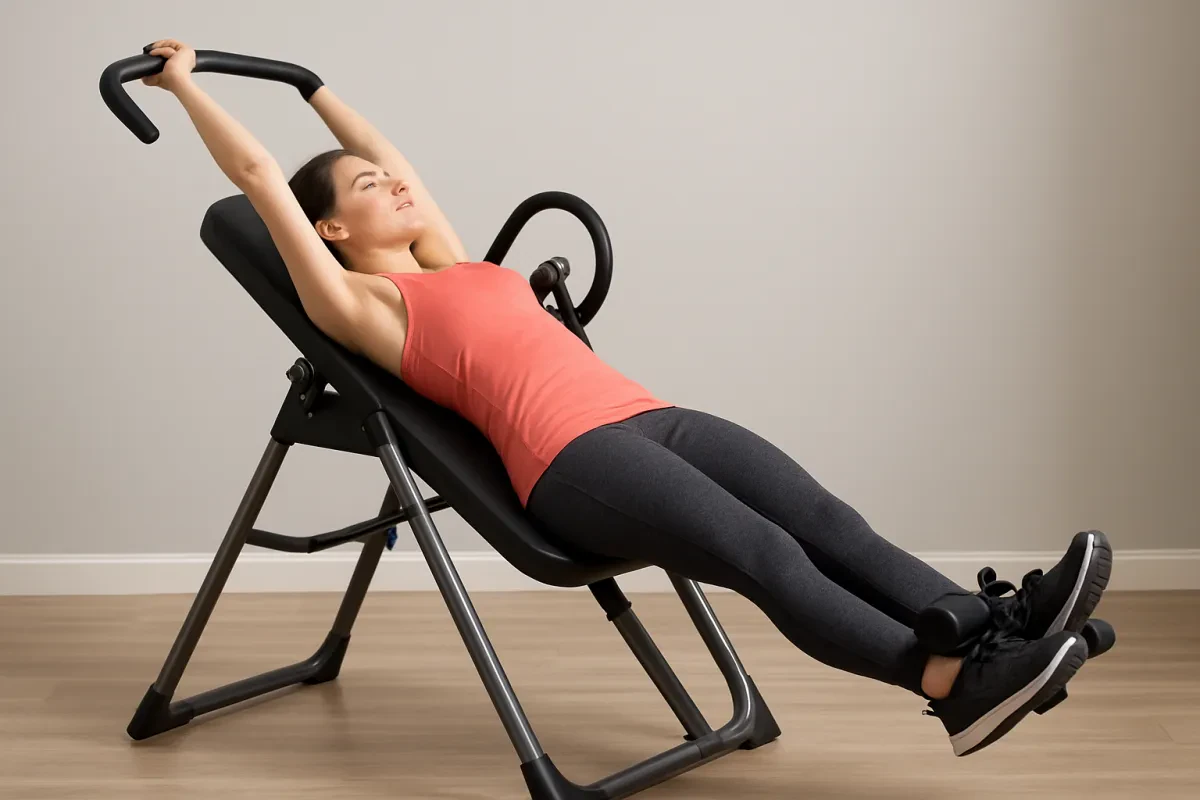
Next, adjust the table to fit your height. Most inversion tables have easy-to-use settings, but make sure you’re secure before you start to invert. Test the straps and make sure everything feels snug. It's super important to be safe while you figure out how to use an inversion table properly.
Before you flip upside down, take a moment to practice some light stretching. It’ll help ease your muscles and make the inversion process smoother. When you’re ready, start with a gentle incline rather than going all the way back. This way, you can get used to the feeling of hanging upside down. Listen to your body and take it slow.
And hey, don’t forget to set a timer! Start with just a minute or two and gradually increase the time as you feel more comfortable. With practice, you’ll find the right balance and learn how to use an inversion table properly to get that fantastic stretch and relief you’re looking for.
Setting Up for Safe Inversion
First off, find a sturdy spot for your inversion table. You want to avoid any wobbly surfaces or clutter around. A nice, flat area where you can stretch out is ideal. Make sure there’s enough space around you for when you’re flipping upside down. Safety is key, so a clear zone is a must.
Next, check that your table is set up correctly. Look at the height settings and adjust them according to your height. You want to feel secure and not like you’re about to slide off. Tighten all the knobs and make sure everything locks into place. Double-checking now can save you from a surprise later!
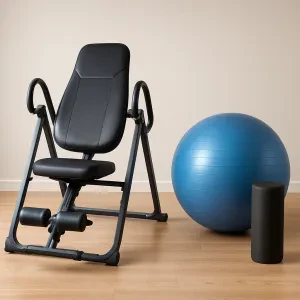
Before you flip, consider what you want on hand. A yoga mat or soft surface can be a nice touch for added comfort. Having a friend nearby can also be helpful, especially if you’re trying this for the first time. They can be there to help you get in and out safely while you learn how to use an inversion table properly.
Lastly, take it slow. When you’re ready to start inverting, go for a gentle angle first. Don’t rush into a full inversion until you’re completely comfortable. Listen to your body. If something doesn’t feel right, ease back up. Getting the hang of it takes time, so be patient with yourself!
Best Techniques for Inversion Practice
Using an inversion table can be a game-changer for your back health, but it’s important to know how to use an inversion table properly. Here are some techniques that can help you get the most out of your sessions.
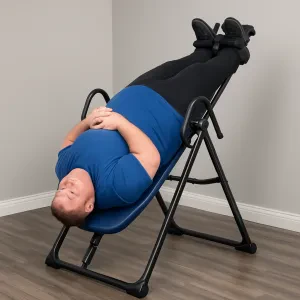
First things first, always start slow. If you’re new to inversion therapy, begin with a slight incline. Just a 20-30 degree angle is enough to start feeling the benefits. This way, your body can adjust without feeling overwhelmed. After a few sessions, you can gradually increase the angle as you get comfortable.
Breathing is key during your inversion practice. Once you’re inverted, focus on taking deep breaths. This helps relax your body, relieving tension and allowing gravity to do its job. Keep your knees slightly bent for extra comfort. Locked legs can lead to discomfort, especially if you’re hanging upside down for a while.
Finally, don’t forget about timing. Stick to shorter sessions at first—about 1 to 3 minutes. As you get used to being inverted, you can extend your time to 5-10 minutes. Just listen to your body. If you start feeling dizzy or uncomfortable, it’s time to come back up.
Listening to Your Body While Inverting
When you use an inversion table, your body will give you signals. Listening to these cues is key to making the most out of your experience. If you feel any discomfort or strain while inverting, don’t push through it. It’s important to find that sweet spot where you feel a stretch but not pain.
Start by inverting gently. You don’t need to go upside down right away. Try a slight angle first and give your body time to adjust. Some folks find that even a small incline can help relieve tension in their back. Gradually increase the angle as you get comfortable, and pay attention to how your body responds.
Take note of how long you invert. For beginners, just a few minutes is a great start. As you get used to the feeling, you can extend the duration. But always check in with yourself. If you start feeling dizzy or uneasy, it’s time to come back up. Remember, the goal is to relax and enjoy the benefits!
Hydration matters too. Sometimes people forget to drink water before inverting, but being well-hydrated lets your body handle the shift in position better. Keep a bottle nearby to sip on before and after your sessions. Listening to your body while inverting leads to a better experience and helps you learn how to use an inversion table properly.