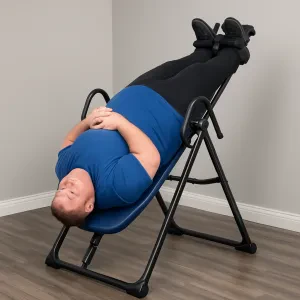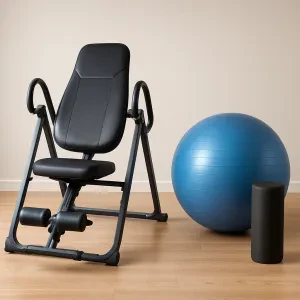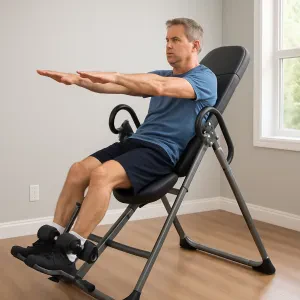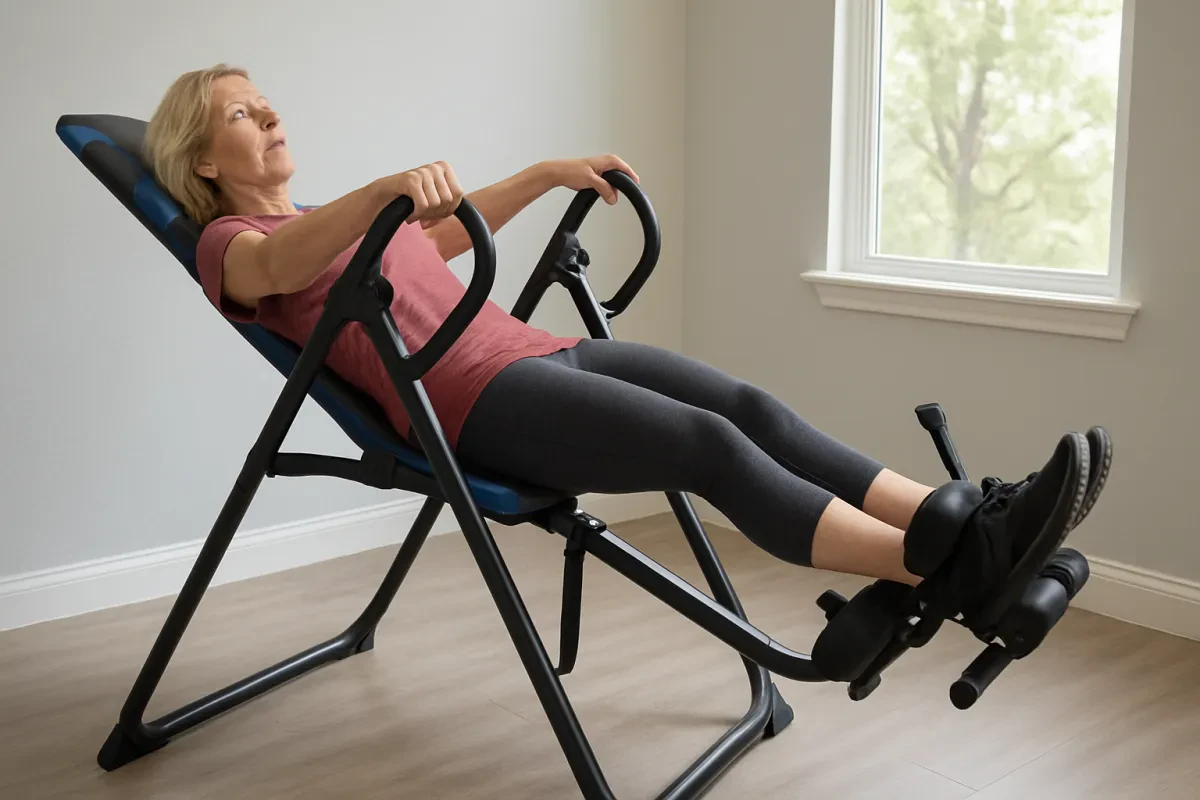
When you start using an inversion table, safety is key. It’s super important to understand the basics to get the most out of your experience. The last thing you want is to rush in and end up getting hurt. So, let’s dive into some essential Inversion Table Safety Tips And Guidelines.
First off, always read the user manual. Seriously, manufacturers pack it with important information! They usually include guidelines on how to adjust the table correctly, secure your feet, and the recommended duration for inverting. Stick to these tips to keep yourself safe and avoid accidents.
Next, check that your inversion table is sturdy and in good condition. Look for any wear and tear before every use. Ensure that the safety straps and padding are all intact. A solid, well-maintained table means you can focus on relaxation and relief instead of fretting over potential risks.
It’s also a smart move to start slow. If you’re new to inversion tables, don't flip all the way upside down right away. Begin at a slight angle and gradually work your way up. Listen to your body, and if something feels off, don’t be shy about adjusting your position or getting off.
Lastly, remember to keep the area around your inversion table clear. You want a safe space where you can move freely. This way, there’s no chance of tripping over something while getting in or out. Following these Inversion Table Safety Tips And Guidelines will help you enjoy all the benefits without the worry!
Adjusting Your Table for Better Safety
When it comes to using your inversion table, getting the adjustments right is key to staying safe. You want everything snug and secure, so make sure you’re taking the time to set it up properly. Each person is a bit different, and the right adjustments will help you feel more comfortable while you’re flipping upside down.
Start by adjusting the height. Most tables let you tweak this easily. Just follow the manufacturer’s instructions, and don’t forget to lock it in place. If it’s too low or too high, you might not get the full benefit or, even worse, you could end up wobbling around. A good fit is like a solid hug—it should feel secure.
Next, take a look at the ankle supports. These can make or break your inversion experience. They should be snug but not painful. Check if they’re adjustable, and make sure they hold your feet tightly without pinching. You want to hang comfortably so you can relax and stretch without worrying about slipping.
Once you’ve made your adjustments, it’s smart to test the table with someone there to help. They can spot you as you invert. This way, you can focus on your form without stressing about falling off. Remember, these tips are just a part of your overall routine. Combine the adjustments with the best practices from the Inversion Table Safety Tips And Guidelines to keep your sessions safe and effective.
Proper Use for Pain Relief and Comfort
Using an inversion table can really help ease back pain and provide some much-needed comfort. But it’s crucial to know how to use it properly. Start by adjusting the table to fit your height and make sure it’s securely locked in place. This will help you feel safe while you’re upside down!
When you first lie down, take it slow! Don’t rush into flipping all the way overhead. Gradually increase your angle of inversion as your body gets used to the feeling. Begin with just a slight incline, maybe around 20 degrees, and hold for just a minute or two. Your goal is to let your body acclimate without feeling overwhelmed.
Listen to your body! If you start to feel dizzy or uncomfortable, it’s perfectly okay to go back to a more upright position. Using an inversion table should never feel painful. Keep sessions to about 5 to 10 minutes initially, and then you can increase the duration as your comfort level improves.
Don’t forget about breathing. Take deep, steady breaths while you’re inverted. This can help relax your muscles and enhance the pain-relief benefits. And always follow the best practices from the "Inversion Table Safety Tips And Guidelines" to ensure you’re using the equipment safely and effectively.
When to Avoid Inversion Therapy
Inversion therapy can be a great way to relieve back pain and improve flexibility, but it's not for everyone. There are certain situations where using an inversion table just isn't a good idea. Knowing when to avoid it can save you from potential harm. Here are a few key points to keep in mind.
If you have high blood pressure or heart conditions, it's best to skip inversion therapy. The change in position can cause your blood pressure to rise, which isn't safe for your health. If you’ve got any heart issues, always chat with your doctor first before trying out an inversion table.
Pregnant women should also steer clear of inversion therapy. Lying upside down can put extra pressure on your body and might cause discomfort or complications. If you're expecting, it’s smarter to stick to more traditional methods of relaxation and pain relief.
Anyone with eye problems, such as glaucoma or retinal detachment, should avoid inversion tables too. The increased pressure in your head while inverted can worsen your conditions. Always prioritize your eye health and seek options that are safe for you.
Lastly, if you’ve had recent surgeries or serious injuries, give your body some time to heal before jumping into inversion therapy. It’s important to work with your healthcare provider to make sure your body is ready. These guidelines are important for ensuring your safety while reaping the benefits of inversion therapy. Keep these Inversion Table Safety Tips And Guidelines in mind to stay safe and healthy!