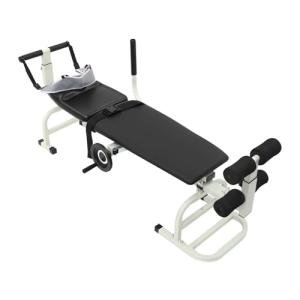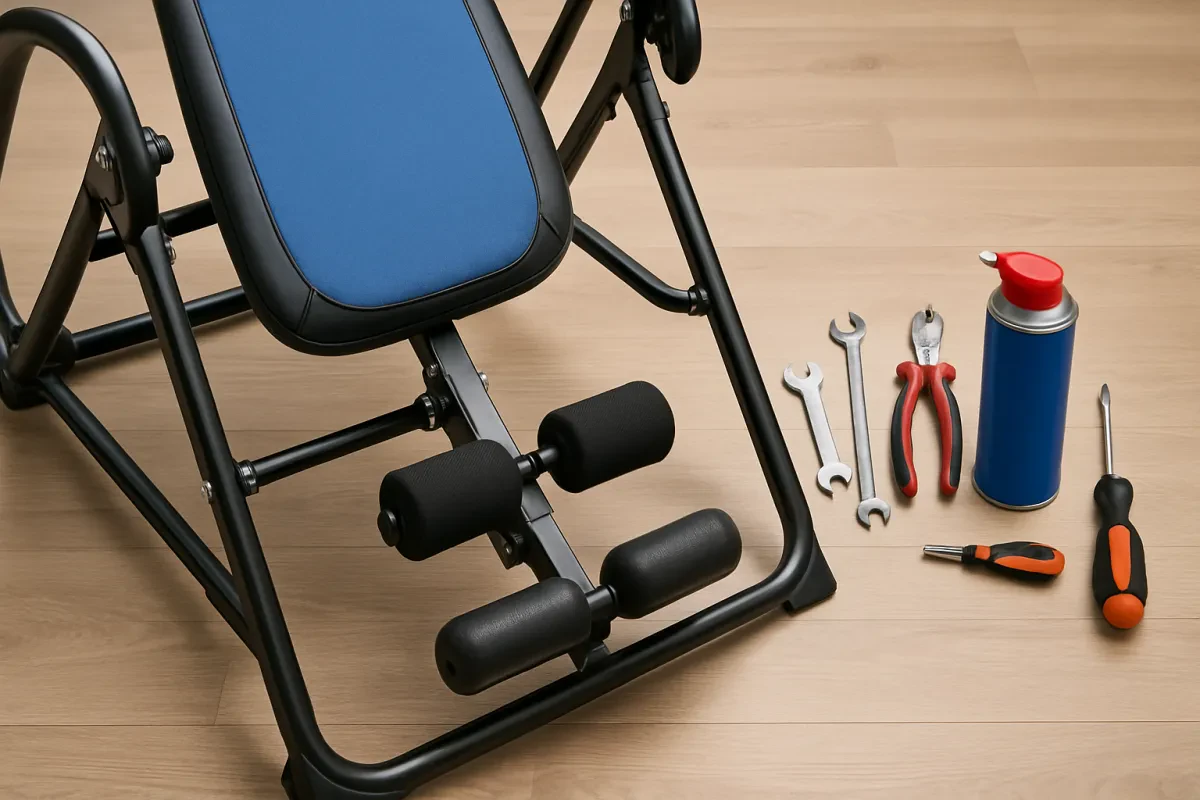
Keeping your inversion table clean is super important for its longevity and performance. Dust and dirt can build up over time, affecting how smoothly it operates. A quick wipe down every now and then goes a long way.
Grab a soft cloth or microfiber towel and give your inversion table a gentle scrub. Focus on the frame and any upholstery. If you see stains or spots, a mild soap mixed with water can help. Just be careful not to soak any of the parts, especially around the joints.
Also, pay attention to the straps and padding. They should be checked regularly for signs of wear and tear. If you notice any fraying or damage, it’s a good idea to replace them. This is an essential part of your inversion table maintenance tips. After all, your safety while using the table is the top priority!
And don’t forget about the hinges and pivot points. A little lubrication can keep everything moving smoothly. Just use a silicone spray—avoid oils that can attract dirt. Keeping these parts in shape can prevent bigger problems down the road.
Check for Wear and Tear
When you’re using an inversion table, checking for wear and tear is super important. These tables get a lot of use if you’re doing your inversion workouts regularly. Taking a close look at your equipment can save you from potential accidents down the road.
Start by inspecting the vinyl or fabric on the backrest. Look for any rips, tears, or excessive wear. If you see some damage, it might be time to replace that part. A sturdy backrest keeps you comfortable and safe when you’re flipping upside down.
Next, check the hinges, bolts, and adjustment knobs. Give them a good look to ensure they’re tight and not showing signs of rust or wear. Loose hardware can lead to wobbly tables, and nobody wants that when they're hanging upside down!
Also, pay attention to the frame. Look for any signs of bending or cracking. If you notice anything off, it’s better to address it sooner rather than later. Remember, these are inversion table maintenance tips you're trying to follow to keep your setup in top shape!
Adjusting Your Table Correctly
Getting the setup just right on your inversion table is key for comfort and safety. Nobody wants to feel awkward when hanging upside down! Start by adjusting the table to your height. Most tables have a height adjustment feature. Look for the markers on the frame and set it to your height. If you're sharing the table with someone else, it’s worth making these adjustments each time to keep it safe and comfy for everyone.
Next, make sure the foot straps are snug but not too tight. You want to feel secure but not pinched. Loosen them if they’re digging in, and tighten them if you start to slip. It’s all about finding that sweet spot! Also, check the ankle supports. They should cradle your ankles without causing discomfort. Some models come with added padding, and that can really help during longer sessions.
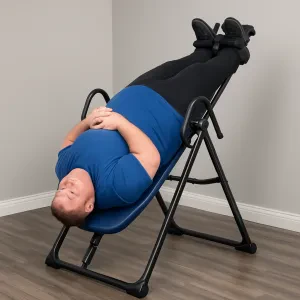
Then, it's time to find your ideal inversion angle. Most people start at a slight angle to get used to the feeling before going full tilt. If you haven't inverted much before, try a 20-30 degree tilt at first. You can gradually increase it to 45 degrees or more as you feel more comfortable. Just remember, inversion table maintenance tips include listening to your body. If something doesn't feel right, adjust your angle or come back up.
Don’t forget to check the table for any wear and tear before each use. Look for frayed straps or loose bolts. Keeping everything in good shape is essential for safe inversion sessions. When everything is set just right, you can kick back and enjoy your time upside down! It's a great way to relieve stress and give your back some love.
Store It Safely for Longevity
When it comes to keeping your inversion table in great shape, proper storage is key. If you want your table to last, you need to think about where and how you store it. A little care goes a long way in ensuring it remains sturdy and functional.
First off, choose a dry, cool place for storage. Humidity can cause rust or damage the materials over time. A basement or garage might seem convenient, but if they’re damp, it’s best to keep your inversion table somewhere else. Remember, a little moisture can lead to big problems.
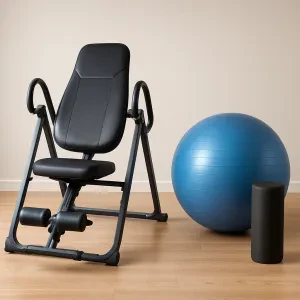
Consider how you position it too. If your inversion table is foldable, make sure to fold it up and store it flat. This not only saves space but also protects it from accidental knocks or falls. Use a cover if you're worried about dust or scratches. It’s an easy way to keep it clean and in top shape.
Lastly, avoid stacking heavy items on top of it. This pressure can warp the frame or damage the mechanisms inside. Storing it properly helps minimize wear and tear. These inversion table maintenance tips will help you protect your investment, ensuring you get years of use out of it.